


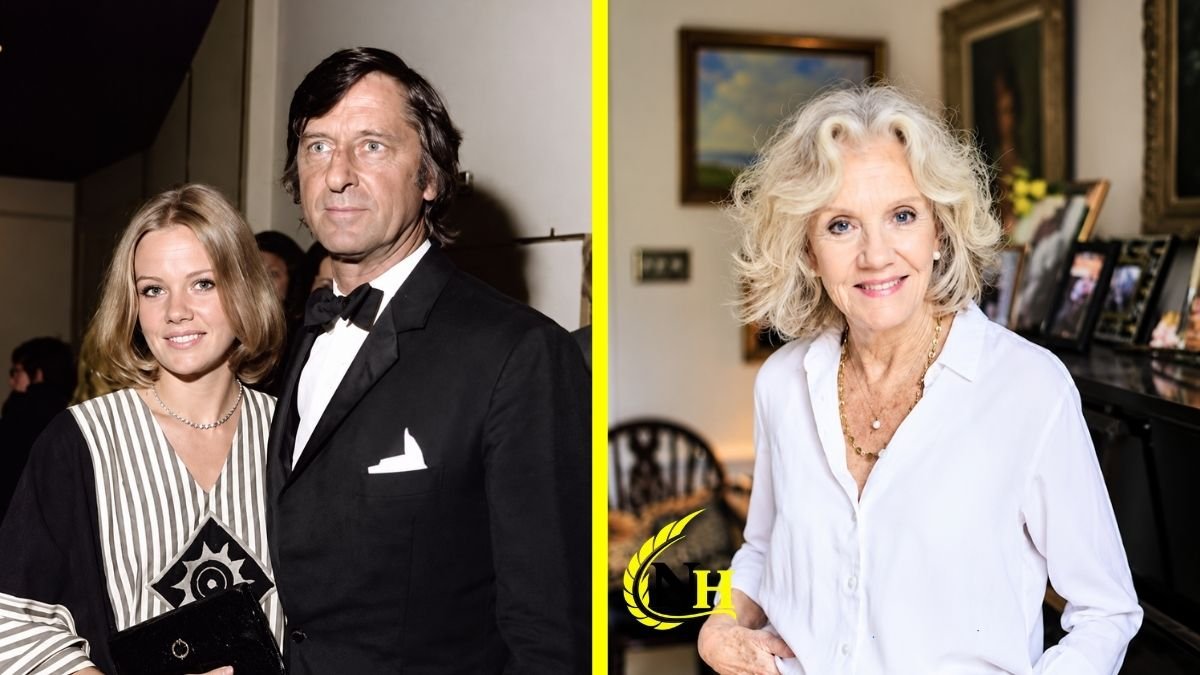
Roy Boulting (1913–2001) was a British film director, producer and writer whose work helped define the country’s cinema across several turbulent decades. Alongside his identical twin, John Boulting, he made films about war, class, politics and the peculiar habits of British institutions. His marriage to actress Hayley Mills drew extensive publicity, but his lasting importance rests in the films he made and the changing society they recorded.
This article examines his career, family life and place in British film history.
Profile Summary
| Detail | Information |
|---|---|
| Full name | Roy Alfred Clarence Boulting |
| Born | 21 November 1913, Bray, Berkshire, England |
| Died | 5 November 2001, aged 87 |
| Profession | Film director, producer and writer |
| Twin brother | John Boulting (1913–1985) |
| Known for | Desert Victory, Fame Is the Spur, The Family Way and productions with John |
| Former spouse | Hayley Mills (married 1971; divorced 1977) |
| Son with Mills | Crispian Mills, musician and Kula Shaker frontman |
Who Was Roy Boulting?
Born in Bray, Berkshire, Roy Boulting came of age as British cinema negotiated the arrival of sound, shifting audiences, and a production system that often favored inexpensive entertainment. He entered filmmaking out of necessity rather than glamour. Together with John, he worked in low-budget production before the brothers established Charter Film Productions in 1937.
That early independence mattered. Instead of remaining technicians within a larger studio, the twins developed a working partnership that allowed them to pursue subjects they considered politically or socially significant. Their names became closely associated with films that questioned authority, although their methods and outlook changed considerably with time.
The Boulting Brothers and Their Unusual Partnership
The brothers are often described as a single filmmaker. In practice, they typically divided production and directing duties, sometimes exchanging roles between projects. This distinction matters when examining individual film credits.
For example, John directed Brighton Rock (1948), the adaptation of Graham Greene’s novel starring Richard Attenborough, while Roy produced it. The picture belongs to the brothers’ shared achievement, but assigning its direction to Roy would misrepresent the record.
From Anti-Fascist Drama to Wartime Documentary
During the Second World War, the twins found material with immediate moral urgency. Pastor Hall (1940) confronted Nazi persecution; Thunder Rock (1942) opposed political retreat and isolationism. Their engagement with the war extended beyond fiction.
He worked on Desert Victory (1943), a documentary about the North African campaign made using military film material. The film won an Academy Award for Best Documentary Feature. These productions also trained filmmakers to connect personal stories with national events, an approach visible in the brothers’ subsequent work.
Why the Postwar Films Still Matter
After 1945, British society faced questions about opportunity, political promises and entrenched privilege. Roy directed Fame Is the Spur (1947), following a politician whose ideals weaken as he rises through public life. His The Guinea Pig (1948), with Richard Attenborough, examined class tensions inside an English public school.
By the 1950s, the brothers increasingly found their audience through comedy. Private’s Progress (1956) mocked military bureaucracy, while I’m All Right Jack (1959) turned workplace conflict into satire. John directed the latter, and Roy produced it, with Peter Sellers memorable as trade union official Fred Kite.
Comedy as a Record of Social Change
The change from earnest drama to satire was more than a commercial adjustment. The comedies preserved the voices, anxieties and contradictions of a country reconsidering its postwar settlement. Managers, workers and officials could all become targets. Critics have debated whether this equal-opportunity mockery exposed the system or avoided taking a firm position. Either way, the films remain revealing documents of their moment.
Roy Boulting and Hayley Mills: Marriage and Family
The director’s best-known personal relationship began through The Family Way (1966). The comedy, drawn from Bill Naughton’s work, featured Hayley Mills alongside Hywel Bennett and her father, John Mills. Its treatment of a young couple’s difficulties marked a significant move into adult roles for the actress, previously celebrated for her Disney films. The BFI lists both Boulting brothers as directors on the film.
During the production, Hayley Mills and Roy Boulting developed a relationship. Their roughly 33-year age difference drew widespread comment, particularly because Mills was moving beyond her image as a child star. Yet reducing their relationship to that contrast overlooks the professional setting where they met and Mills’s later accounts of their connection.
The couple married in 1971. Their son, Crispian Mills, was born in 1973 and became known as the singer and guitarist of the British rock band Kula Shaker. They divorced in 1977. Reports place their separation in the mid-1970s, but attributing the breakup to a single supposed cause goes beyond the dependable public record.
Working Together Beyond Their First Film
The couple also collaborated on Twisted Nerve (1968), a psychological thriller Roy directed and co-wrote. Its darker tone shows why his career shouldn’t be reduced to light comedy or the publicity surrounding his marriage. The films deserve assessment on their own artistic and historical terms.
Later Career and a Changing Reputation
The Boulting brothers remained active into the 1970s, although their later films did not achieve the consistent standing of their strongest earlier work. Changes in audience taste and the British film business altered the opportunities available to established directors. Roy’s final years as an active filmmaker attracted less attention than his earlier successes.
John died in 1985. Roy lived until 5 November 2001, dying aged 87. By then, retrospective screenings and film scholarship had encouraged viewers to revisit the brothers’ wartime and postwar output.
A Legacy Larger Than Celebrity Headlines
His career connected several periods of British cinema: prewar independent production, wartime documentary, postwar social drama, and the sharp institutional comedy of the 1950s. Few careers offer such a direct view of changing national priorities.
His partnership with John also raises an enduring question about authorship. Films often remembered under a single family name were created through distinct directorial, producing and writing contributions. Recognizing those differences makes their achievement more interesting, not less.
Conclusion
Roy Boulting’s biography is inseparable from British film history. His relationship with Hayley Mills remains part of his public story. Still, his more substantial legacy lies in his work: pictures that challenged authority, observed social divisions, and found comedy in national contradictions. Revisiting them reveals both a filmmaker’s evolution and a changing Britain.
You might also like:Josephine Mills: The Remarkable Story Behind Crispian Mills’s Private Family Life
(FAQs)
Who was Roy Boulting?
He was a British director, producer, and writer best known for his filmmaking partnership with his twin brother, John.
Was Roy Boulting married to Hayley Mills?
Yes. They married in 1971 and divorced in 1977.
Did Roy Boulting and Hayley Mills have children?
Yes. Their son, Crispian Mills, was born in 1973 and became the frontman of Kula Shaker.
Which films did Roy Boulting direct?
His directing work included Fame Is the Spur, The Guinea Pig, The Family Way (co-credited with John), and Twisted Nerve.
When did Roy Boulting die?
He died on 5 November 2001, aged 87.